There is only a minuscule percentage of all historical materials available in digital form. Archives, museums, libraries, courthouses, government repositories have an unbelievable amount of materials available for use in digital history projects, but first you have to find relevant items and then you have to digitize them, while observing copyright restrictions.
As an educator this topic is the most important and the most challenging for me to meet. What I do is not for profit. What I do must be accessible to my students and their parents. I can not make my class page private, there by limiting access and creating additional hurdles for parents, especially parents who speak another language. However, I must also make my classroom accessible from home for a “flipped classroom” and from abroad for traveling students. A lot of what I do is original but a good portion is also manipulated work.
Full disclosure: Secondary teachers are the worst violators of copyright restrictions. When I taught AP US History we used a review text for the AP exam as a our main text from a publisher called AMSCO– that is how we referred to the book. My students entered below level and without many of the prerequisite skills necessary to pass the national exam. We all had our work cut out for us if the students were to pass the exam at the end of the year. I had to show my students how to “work smart not hard” and to be a source of hope when things got tough; things were always tough in APUSH.
Digitizing Notes and Text
One tool I provided my APUSH students was scanned copies of my annotated AMSCO. My intent was to show them how to read academic text for acquisition of knowledge.
The students knew how to read but not how to focus on what was important. I used DocScan app to turn pictures of the pages into PDFs to post by chapter that were easily organized by folders on my classpage.
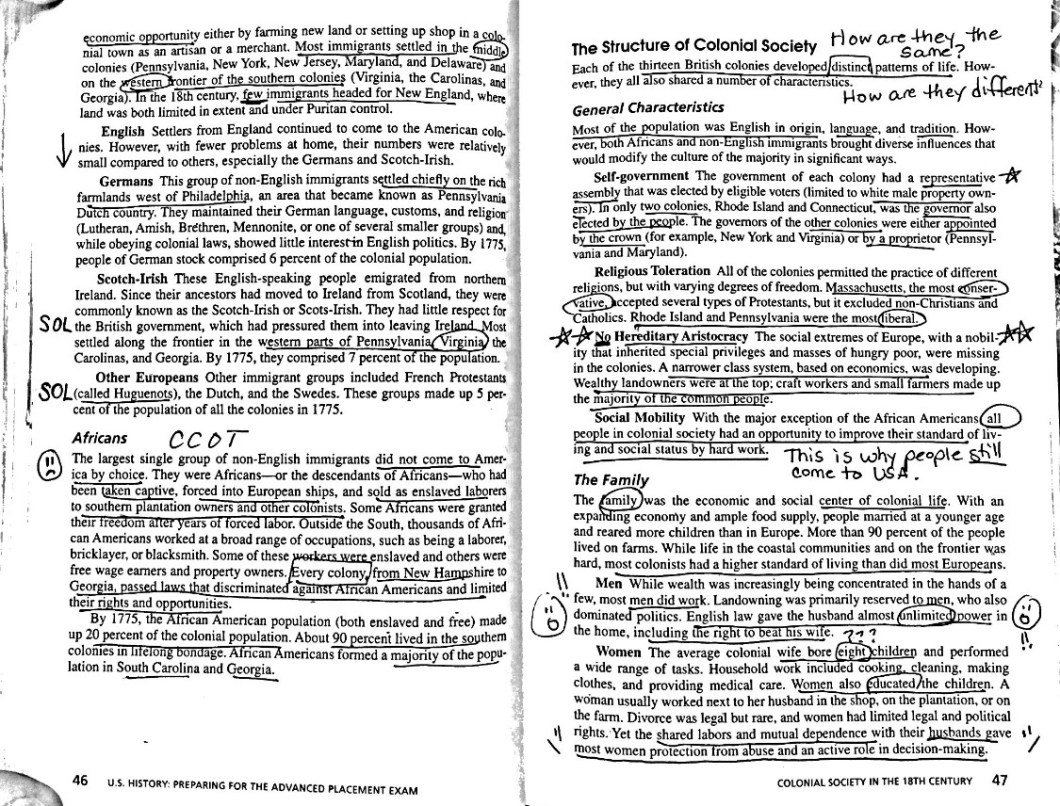
A student also wrote a computer program that turned my online version of the text into a .pdf and a .docx file and shared it with me and his classmates. The students all purchased the textbook so I didn’t keep profit from the publisher but having a digital file for mobile access (allowing students to read and study on the bus to a football game, in El Salvador when visiting home, when in the dentist office etc.) was a vital tool necessary for their success on the national exam. I posted each of my annotated pages by chapter on my class page. I doubt my notes make this a legal post but again it was a critical part in the students success, students purchased the textbook already and I made no profit.
Downloading and Converting YouTube videos
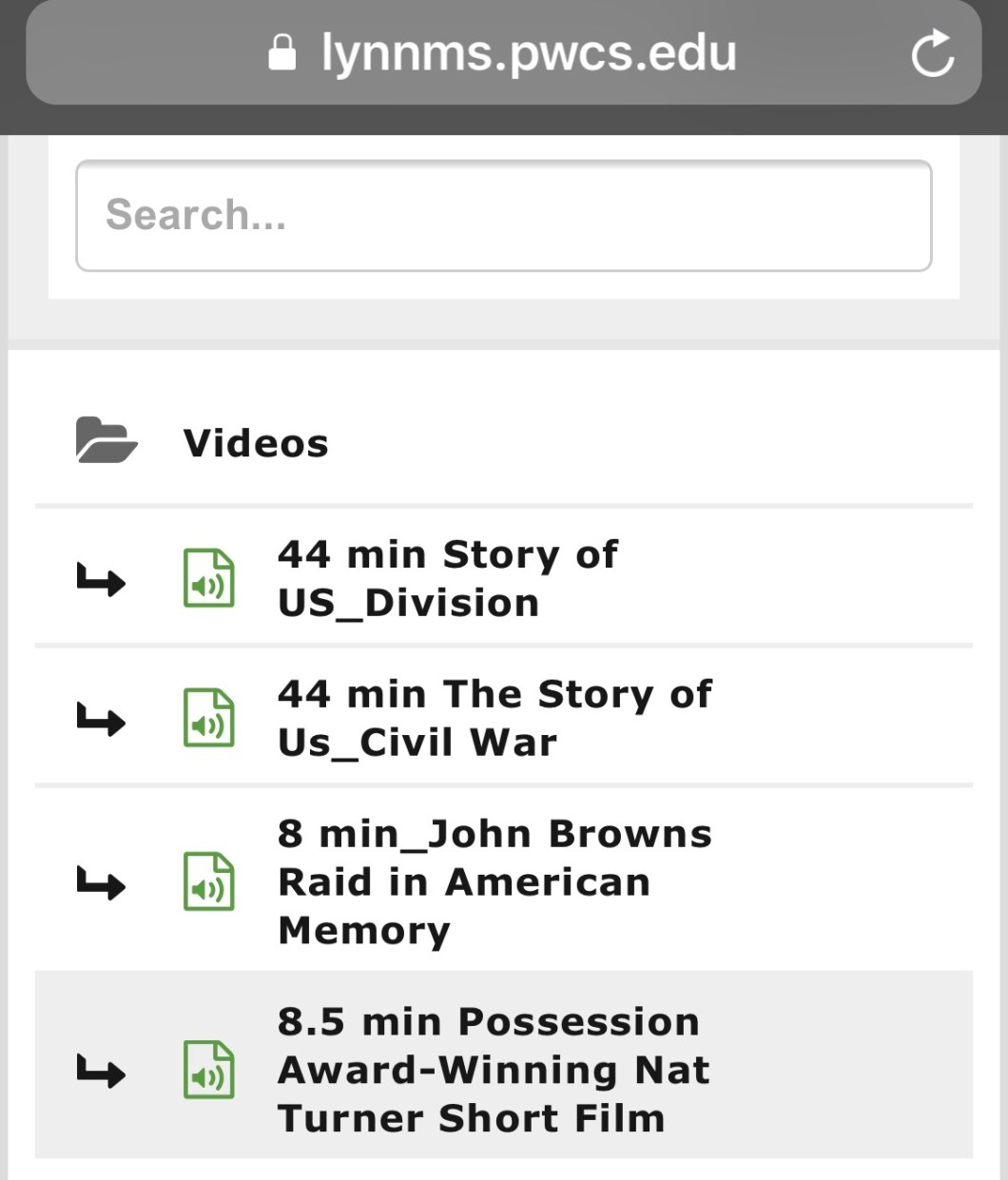
YouTube clips are great for hooking students, explaining an idea, reiterating an objective, or for plan old entertainment. The problem is the school’s streaming isn’t always reliable or the county filter has blocked the content for quite often inexplicable reasons. So in an attempt to take my classroom online I use an online converter to create video files to post on my class page. This way I avoid all glitches.
Digitizing Work Samples
Students need work samples but it can be a slippery slope collecting them year after year and teachers can easily slip into the realm of hoarding. Digitizing student samples has made collecting samples much easier. Below are a few examples but I also post sample sentences and essays using the DocScan app to turn pictures of student writing into PDFs for future use. In the past I have not saved the file with the students’ names or dates but I will be moving forward.


Connecting with Home through Video
My school requires weekly video posts to convey what we are doing in the classroom. I use PicPlayPost to make short videos to upload via Flipgrid or just use Flipgrid by itself to create and post these videos. I’m more or less digitizing my communication with parents at home and creating a library of what it is I do week to week with my students.
Sourcing
Currently much of what I use is not copyrighted because it primary sources for study from 1492-1866. However, when I taught APUSH there were cases of more modern primary sources that were copyrighted and digitized. I came across the Bitch Manifesto when I took HIS 122 online through NVCC. “I LOVED it!” is an understatement. I post folders to my class page by chapter or unit of study and this document, when posted, was always attributed to my class at NVCC and the doctoral student that wrote it. Digitizing resources is so vital because without it I never would have come across this file.
 NVCC 218 Intro to Digital History